Four research-grade systems that measure how your body actually moves, fuels, signals and functions — so your programme is built on data, not assumptions.
You know something is off. Our job is to show you exactly why — in heat maps, numbers and visual data that leave nothing to guesswork.
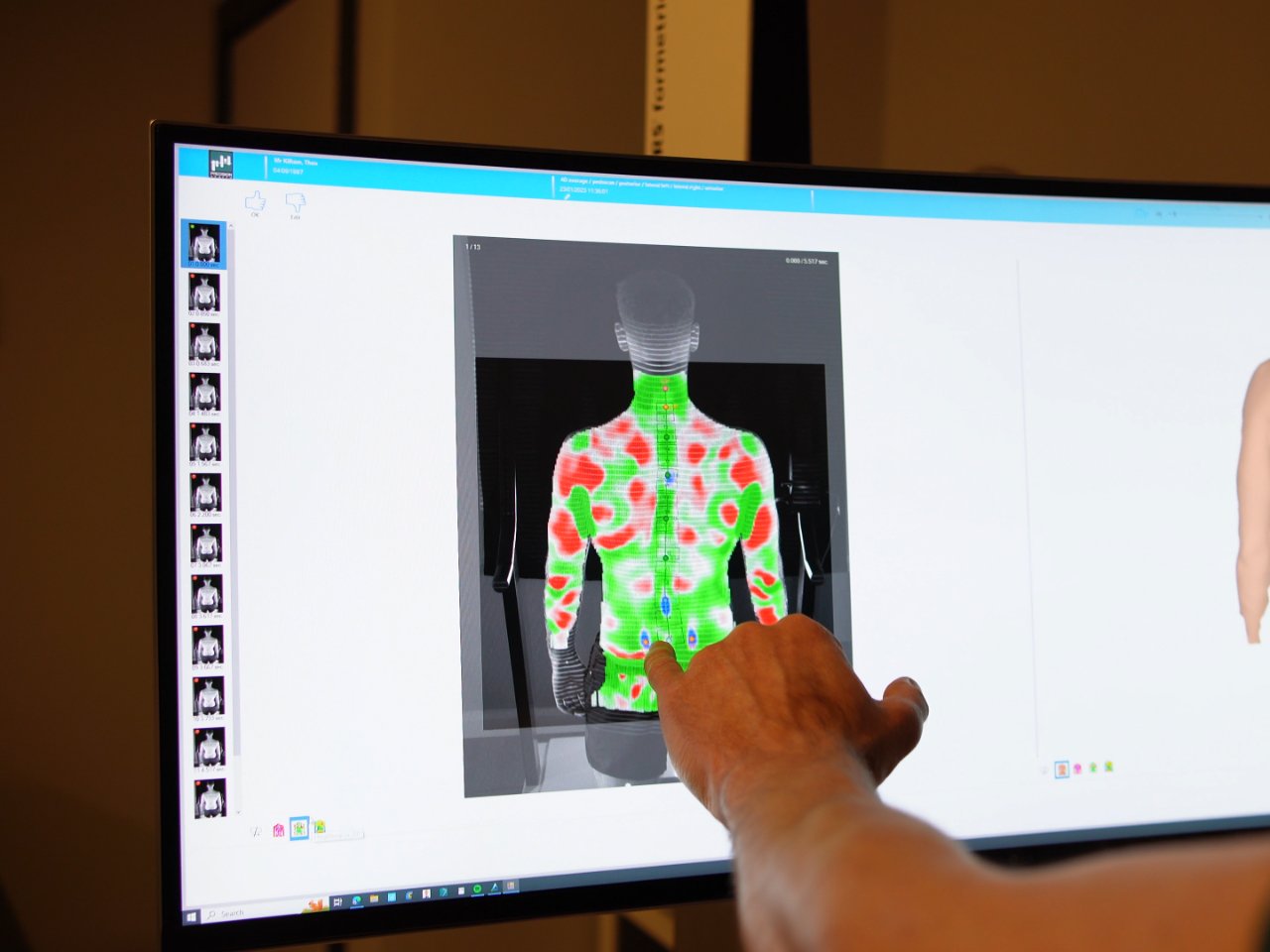
The hip that tightens on long runs. The back that aches after leg day. Nobody has shown you why. The DIERS 4D lab does — without radiation.
Using an advanced camera system and a treadmill with over 5,000 pressure sensors, it simultaneously captures your spine movement, leg-axis geometry and foot-pressure distribution as you walk or run.
What it reveals is often surprising: asymmetries you've never noticed, pressure patterns that explain why one side always takes the hit, spinal compensations that have quietly loaded the wrong structures for years. All of it quantified, tracked, and used to build a programme around how your body actually moves — not how it's supposed to.
Some problems aren't about how you move. They're about how your body fuels and recovers from the work you put it through.
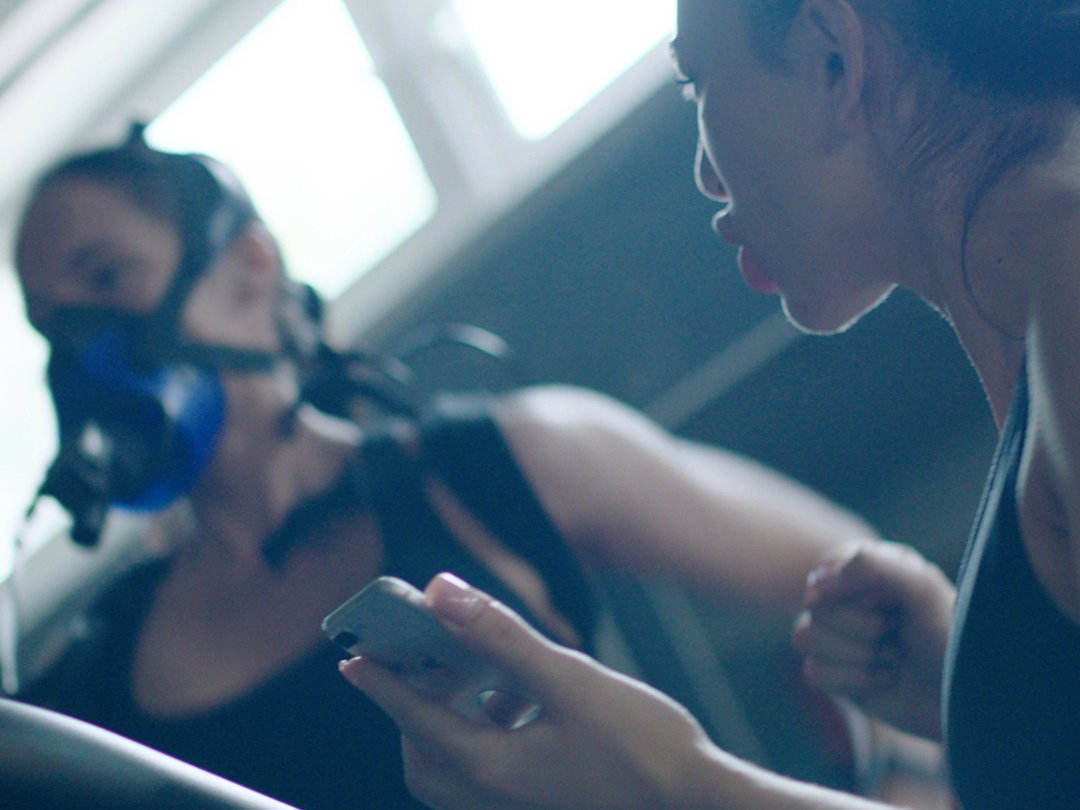
Unexplained fatigue, poor recovery, disrupted sleep, a performance ceiling more training just won't shift — there's often something metabolic underneath. The PNOĒ analyser measures how your body actually uses oxygen, burns fuel and recovers under effort. Not estimates. Not averages. Your actual data.
The findings inform your training zones, your breathing mechanics and your fuelling strategy — and are shared directly with our nutritionist to build a plan around what your body actually needs, not generic guidelines. For the person who trains hard and still runs on empty, this is usually where the answer lives.
Proprioceptive Deep Tendon Reflex
Your body has hardware. It also has software. And sometimes the software is the problem.
Muscles, joints, tendons, bones. Most treatments work here — stretch, strengthen, mobilise, adjust. They work, up to a point.
The neurological signals telling muscles when to fire and how much tension to hold. After injury or strain, it can get stuck running a faulty programme.
Your nervous system keeps responding as if the original threat is still there, long after the issue has healed. This is why the same tightness, subluxation and imbalances keep coming back: the hardware has been treated; the software never was.
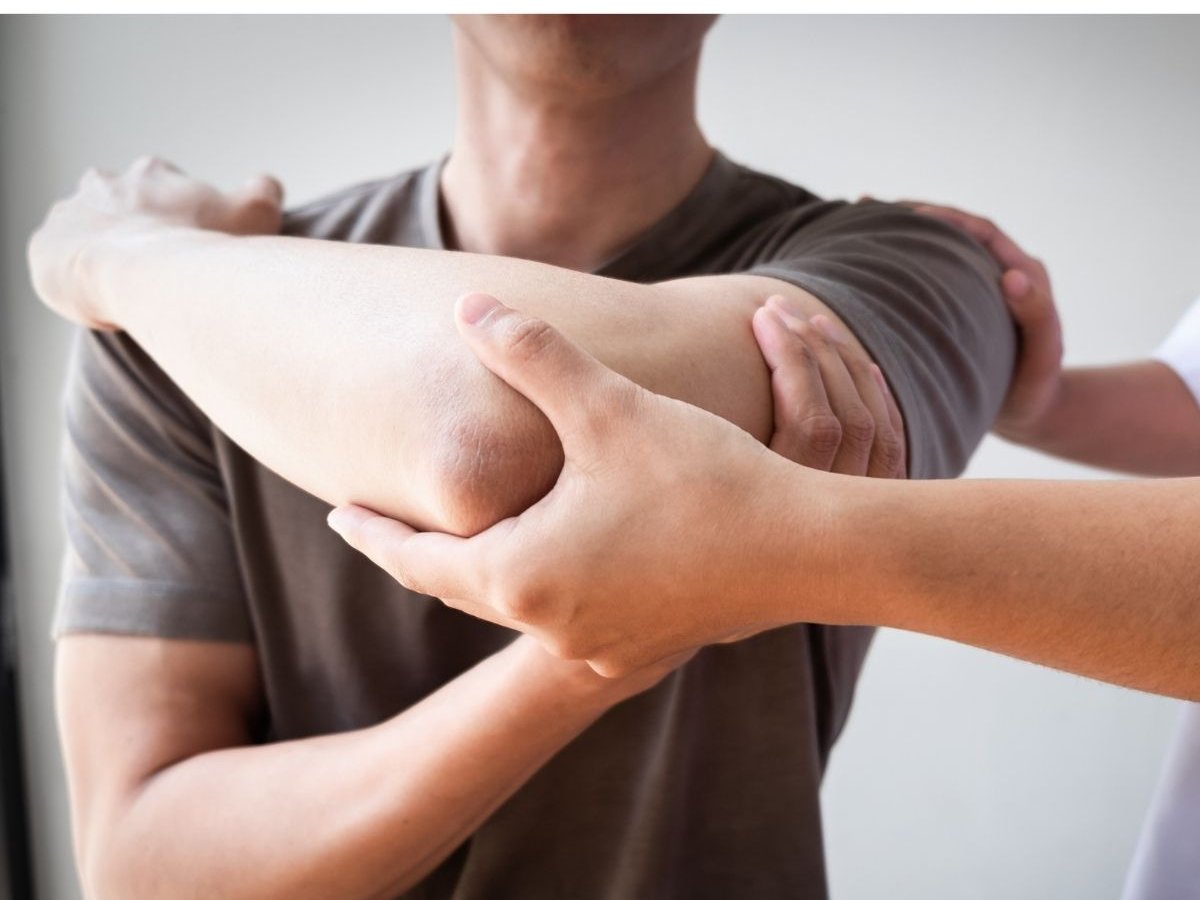
PDTR identifies exactly which sensory receptors are running the faulty signal using precise muscle testing, then resets them neurologically. Most clients notice an immediate reduction in pain, or improved movement, in the same session — not because the symptom was masked, but because the signal driving it was corrected at the source.
Symptom patterns & biomarkers
Most people have had blood tests. Most were told everything looks normal. And most are still tired, inflamed and not recovering the way they should.
The difference isn't only which markers are measured — it's how they're interpreted together, in the context of a whole person. A result inside the "normal" range can still be far from optimal. And optimal is what performance, recovery and long-term health actually require.
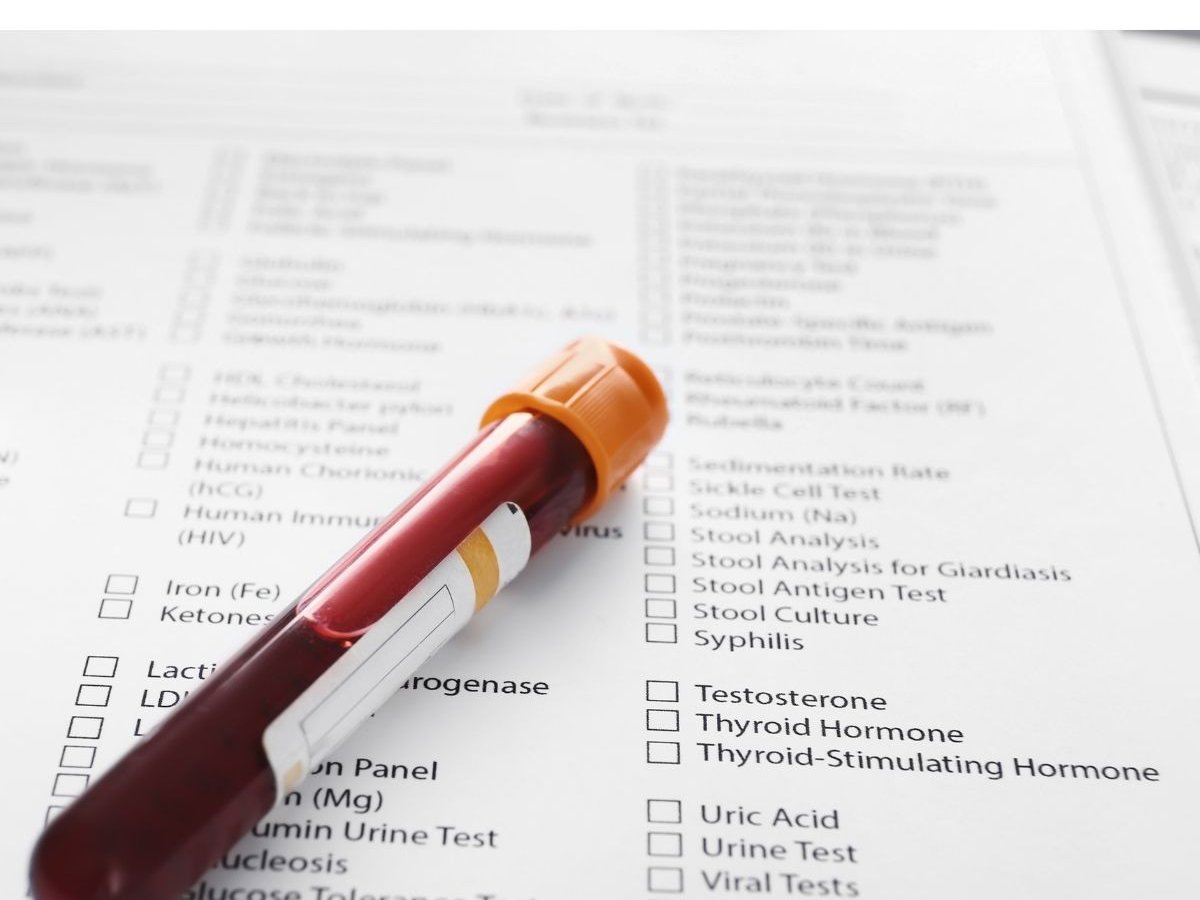
Anisa's approach begins with a proprietary 200+ symptom survey mapping patterns across energy, digestion, mood, sleep, hormones and inflammation — not isolated complaints, but a connected picture of how your body is functioning. The patterns that emerge often tell the story before a single test is run.
Stool analysis, microbiome assessment and SIBO testing reveal the reasons behind poor recovery, unexplained fatigue and the inflammation that keeps driving pain and dysfunction.
DUTCH testing and blood panels assess cortisol patterns, sex hormones, thyroid and insulin response — how you respond to training, how you recover, how your body uses energy.
Rather than generic advice and assumption, you get objective data that shows exactly where to act — a health protocol built around your specific biology, working alongside your movement and metabolic programme rather than existing separately from it.
Which energy systems need support
Where nutrient deficiencies are limiting performance or recovery
Why fatigue persists despite adequate sleep
What cardiometabolic patterns are quietly working against your training
The result is a protocol built around your biology — not population averages.
Book an assessment and see, in real numbers, exactly what your body is doing — and what it actually needs.
Book an assessment now →